September 22, 2026
The costs associated with glass replacement services have seen a significant uptick in recent years. Understanding these rising costs is crucial both for consumers and service providers. It impacts how households plan their budgets and how companies strategize around pricing models. As various factors come into play, including technological, economic, and environmental considerations, analyzing the dynamics behind these costs becomes ever more relevant. This article delves into the historical, economic, and societal elements affecting glass replacement services to unpack why costs are escalating.
Historical Perspective of Glass Replacement Costs
The Evolution of Glass Materials
Over the decades, glass materials have evolved significantly, contributing to the fluctuations in replacement costs. Initially, glass was a simple, uniform product that didn't offer many features in terms of strength or insulation. As new technology developed, laminated glass and tempered glass became more prevalent, each offering unique benefits such as increased durability and energy efficiency. These advancements naturally led to an increase in manufacturing costs, which trickled down to the consumer level. As glass compositions and functionalities have become more sophisticated, this trend of rising costs continues to be a defining characteristic.
In modern times, the demand for specialized glass, such as those used in automobiles and smart buildings, has further complicated the cost landscape. Advanced glass materials now feature integrated technologies like UV filtration and smart tinting, which require greater investment both in raw materials and in skilled labor. This has made glass replacement a costly affair for consumers who desire the latest advancements. Automotive glass, in particular, has seen massive innovation, incorporating complex shapes and materials that offer better safety and efficiency. As a result, these innovations contribute to the higher expenses consumers face today.
Today's consumers also demand more from glass products in terms of aesthetics and customization. This elevated expectation has led to an increased use of decorative glasses, specialized coatings, and custom fits that add to the overall expense. As new materials and technologies enter the market, it becomes essential to consider the lifecycle of glass and the costs associated with its replacement. The higher costs can also be attributed to the research and development investments that have been made to develop new types of glass, making them a significant factor in the overall market trends.
Past Trends in Cost Fluctuations
The history of glass replacement costs reveals a pattern shaped by both technological availability and economic conditions. In the early 20th century, the limited technology meant glass products were basic but affordable. The post-war era saw a boom in construction and automotive industries, heightening the demand for glass and consequently driving prices upwards. As new manufacturing techniques developed over time, costs fluctuated but generally trended upward due to increased demand. The adoption of stricter safety regulations has also played a role in escalating these costs.
The fluctuations have not been solely dependent on technological or regulatory changes but are also subject to shifts in global economic climates. Recessions typically see a dip in new construction and automobile manufacturing, which can temporarily lower glass demand and stabilize replacement costs. However, these periods often coincide with increased costs of raw materials due to supply chain constraints and geopolitical influences. As the economy rebounds, pent-up demand often leads to sudden spikes in glass replacement costs. This cyclical nature makes it crucial to understand past trends to better anticipate future shifts.
On a macroeconomic scale, global events like oil price surges or trade tariffs have historically impacted the cost of glass and its associated replacement services. Such external factors often lead to increased transportation and production costs, which are passed down to consumers. For example, in the automotive sector, the rise in electric and hybrid vehicles has necessitated new types of automotive glass that are compatible with advanced features, adding complexity and cost to replacement services. These historical fluctuations highlight the importance of monitoring various factors to prepare for future pricing trends.
Influence of Technological Advancements
Technological advancements have significantly influenced the modern landscape of glass replacement services. With the advent of smart glass and energy-efficient coatings, the materials and processes involved have become increasingly complex. These innovations often require specialized labor and equipment, elevating the costs associated with replacements. For instance, many vehicles now come with advanced driver-assistance systems (ADAS) integrated into windshields, necessitating recalibration and additional training for technicians during replacements. This complexity contributes significantly to the increased replacement costs consumers experience today.
Moreover, technology isn't only a driver of costs but also a solution aimed at long-term savings and efficiency. The development of automated production techniques has enabled more precise and efficient glass cutting, potentially reducing waste and time. However, the initial capital investment required for these technological upgrades can be formidable, especially for smaller service providers. As a result, these costs may be transferred to the consumer, reflecting in higher service charges. Despite these initial cost increases, technological advancements tend to yield longer-lasting and more resilient glass solutions.
Besides production techniques, technology has also revolutionized supply chain management, enhancing the speed and efficiency of delivering raw materials and finished products. Digital platforms facilitate better inventory management and reduced lead times, often translating into cost savings for businesses. However, these tools require investment and adaptation, which can initially raise operating costs. Balancing these technological advancements and their costs remains a crucial factor for businesses aiming to stay competitive in the glass replacement sector.
Comparison with Other Repair Services
When compared to other repair services, glass replacement is unique in both its complexity and demand for specialized skills. While many household repairs involve straightforward replacements or fixes, glass replacement often requires precise measurements and specialized materials. Other sectors, such as plumbing or electrical repair, may share similarities in cost escalations due to labor and materials, yet glass services tend to demand more due to technological elements. The integration of features such as UV protection and soundproofing further sets it apart, adding complexity and cost to the replacement process.
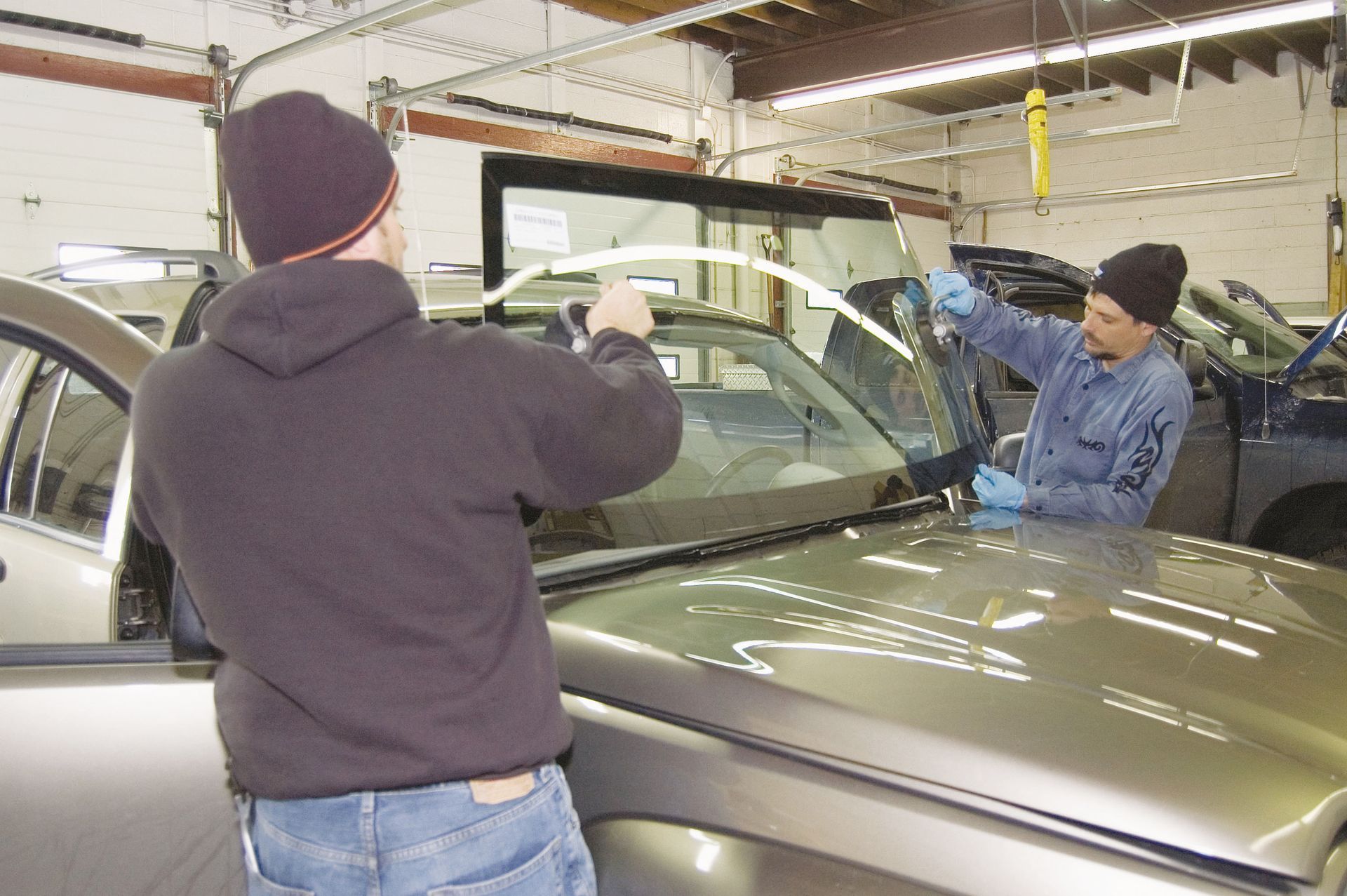
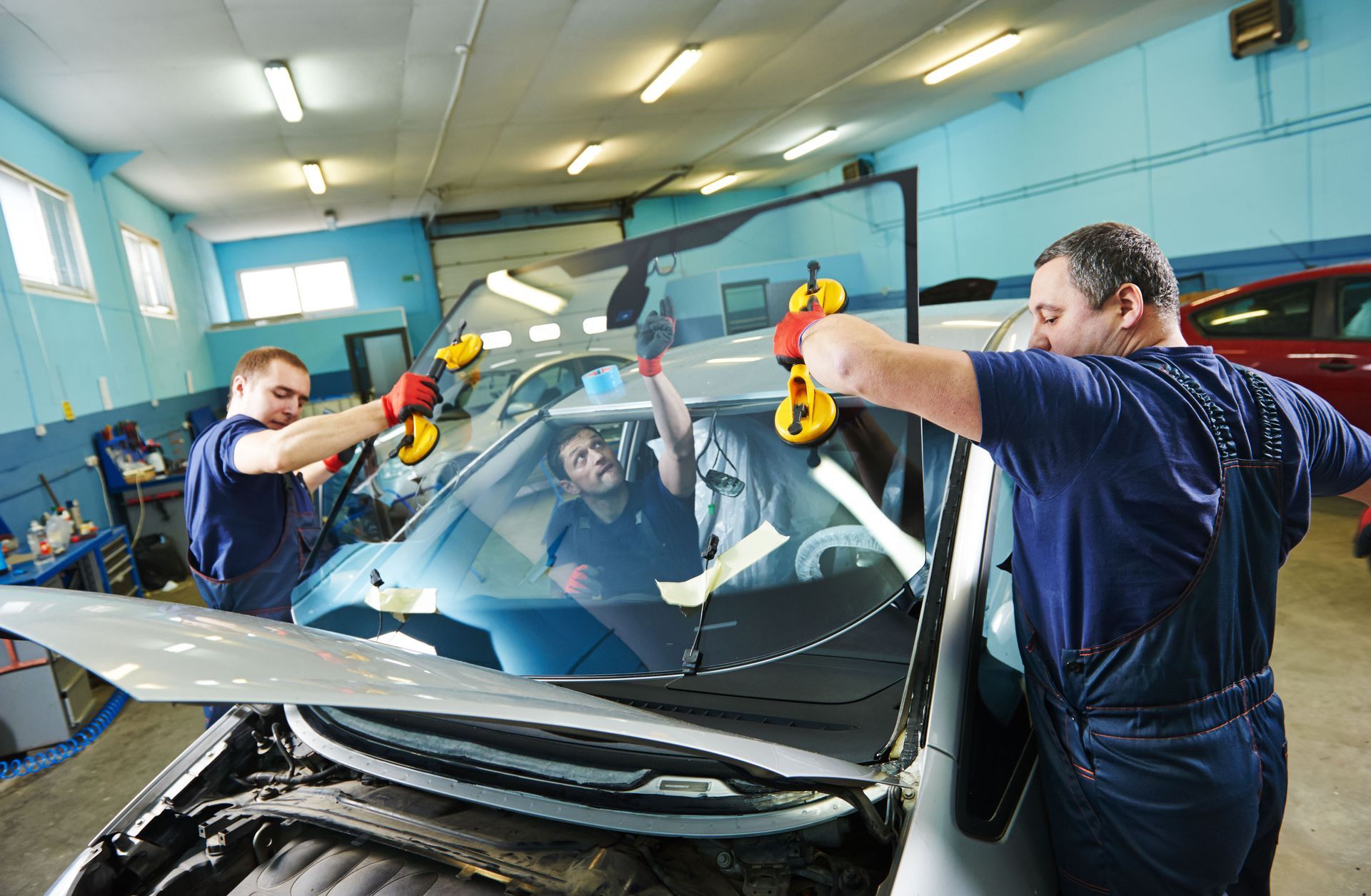
Automotive glass replacement offers an apt comparison. Windshield replacements for many cars now often run $800 to $1,000—and for some popular models, they can cost $1,500 or more. These figures highlight the increasing complexity and cost associated with modern glass replacements, separating them even from other specialized automotive services. As cars become more advanced with features like heads-up displays and integrated sensors, the level of expertise required for glass replacement continues to rise, driving costs further.
In the residential arena, high-performance glass windows used in eco-friendly housing projects further emphasize the cost gap compared to other repair services. While traditional repair services might deal with standard-grade materials available widely, glass replacement often hinges on specialized products that aren't as readily available. The need for specific certifications and training adds another layer of expense, showcasing the unique position glass replacement holds within the spectrum of repair services.
Shifts in Consumer Demand and Expectations
The changing consumer demand and expectations play a pivotal role in driving up glass replacement costs. In today's market, consumers are increasingly seeking high-performance glass products that offer energy efficiency, safety, and enhanced aesthetics. This shift has led to a demand for advanced glass solutions, which often necessitate premium materials and tailored manufacturing processes. As a result, these heightened expectations naturally lead to increased costs in the production and installation of such glass products.
Climate change and natural disasters significantly affect the glass replacement industry by disrupting production and supply chains. Extreme weather events can damage facilities and infrastructure, interrupt production processes, and impact the availability of raw materials. Such disruptions lead to supply shortages, increased transportation costs, and delayed service delivery, all of which result in elevated service costs for consumers. According to Consumers' Checkbook, windshield replacements for many cars now often run $800 to $1,000—and for some popular models, they can cost $1,500 or more. Be sure to reach out to Universal Auto Glass for more information on our professional glass replacement services!